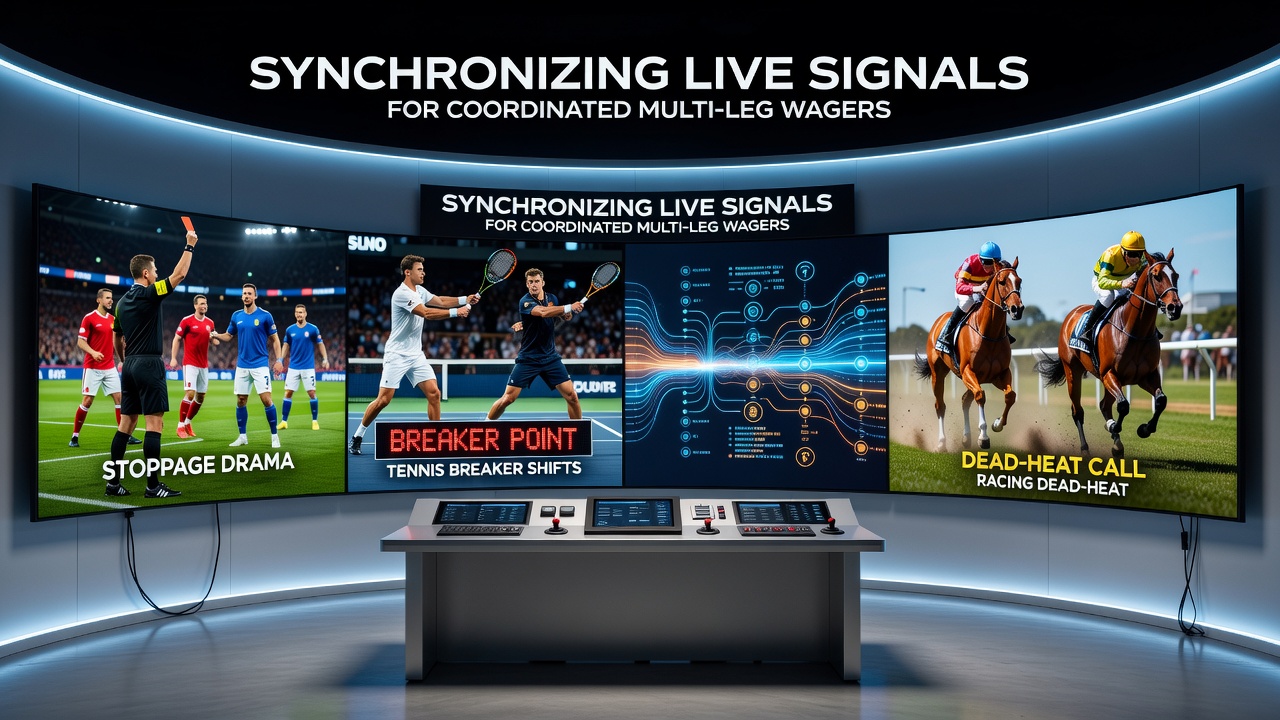
Aligning Real-Time Triggers Across Football, Tennis, and Horse Racing for Multi-Leg Bet Coordination
Coordinating live signals from football stoppages, tennis tiebreak momentum changes, and horse racing photo finishes demands precise timing when building multi-leg wagers, and data streams from multiple sports now feed into unified platforms that update odds within seconds of each event. Observers note that bettors track injury-time developments in football matches alongside shifting serve statistics in tennis sets while monitoring close finishes at race tracks, all to time accumulator adjustments before markets close. Research from industry reports shows these overlapping signals create brief windows where coordinated entries can align across legs, particularly during summer schedules when fixtures overlap in August 2026.
Mapping Football Stoppage Indicators to Accumulator Legs
Football stoppage drama often hinges on added-time goals or penalty decisions that alter match outcomes and ripple through accumulator payouts, so platforms aggregate referee signals and injury reports to refresh live odds continuously. Analysts track patterns where teams trailing by one goal press forward after the 85th minute, and those data points sync with parallel events in other sports to confirm or cancel linked bets. Figures from the American Gaming Association reveal increased in-play volume during overlapping European and domestic leagues, where stoppage updates reach bettors faster through integrated feeds. One documented sequence in August 2026 involved simultaneous late goals across two fixtures that triggered payout recalculations on multi-leg tickets within the same minute.
Tracking Tennis Tiebreak Momentum Shifts
Tennis breaker shifts appear in serve percentages and return errors that spike during tiebreaks, allowing platforms to adjust point-spread markets while those changes align with football or racing legs still in progress. Data processing systems capture ball-strike velocity and error rates in real time, then broadcast revised probabilities to traders who manage accumulator exposure across courts. Studies from academic sports analytics groups indicate that tiebreak volatility peaks in best-of-three formats, creating synchronization opportunities when a tennis match concludes near the start of a football second half. Bettors who monitor these transitions often adjust stakes on remaining legs before the next market refresh locks in values.
Processing Horse Racing Dead-Heat Determinations
Racing dead-heat calls require photo-finish reviews that determine joint placements and settle each-way or win bets, and these outcomes feed directly into coordinated wagers when timed against ongoing football or tennis action. Stewards transmit official results within seconds of the race wire, enabling platforms to update accumulator statuses before the next event leg begins. Industry data from Canadian regulatory bodies shows dead-heat frequency rises on turf surfaces during late-summer meetings, producing brief intervals where bettors can confirm or hedge linked positions. Those who've studied racecourse timing note that dead-heat resolutions now integrate with global live feeds, reducing delays that once separated racing results from other sports markets.
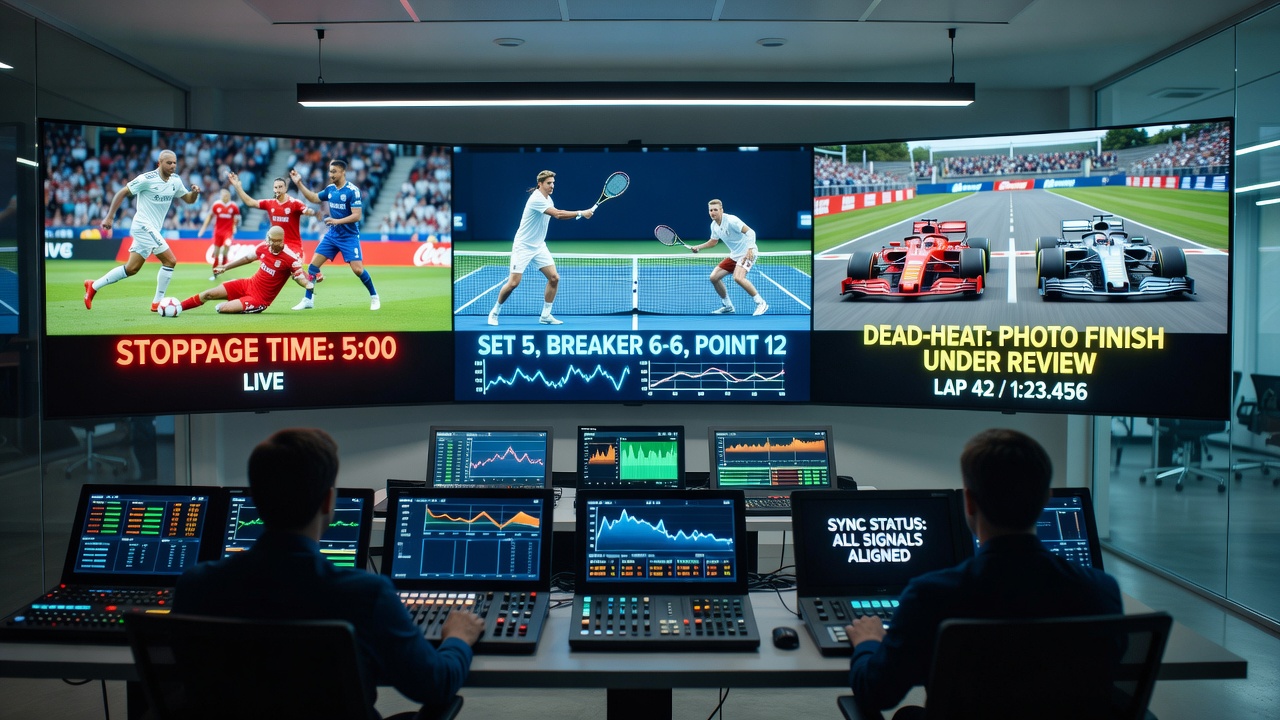
Building Unified Monitoring Systems for Multi-Leg Entries
Platforms that combine feeds from all three sports use timestamped event markers to flag when a football stoppage, tennis breaker, or racing dead-heat crosses a threshold that affects accumulator viability. Traders monitor these markers through dashboards that highlight overlapping windows, such as a tennis set concluding just before a football half-time interval or a race result landing during added time. Reports from Australian gambling research centers indicate that synchronized monitoring reduces exposure gaps, because bettors receive alerts across legs rather than reacting to isolated updates. In practice, this means confirming a dead-heat placement before a tennis tiebreak starts, or verifying football stoppage odds before the next race off.
What's interesting is how data pipelines now prioritize latency reduction so that a single interface displays updated probabilities for every active leg, allowing adjustments while markets remain open. Observers have recorded cases where a late penalty decision in football aligned with a photo-finish confirmation at the track, shifting the entire accumulator payout profile within thirty seconds. Those systems rely on standardized data formats that pull from league officials, tournament scorers, and racing authorities simultaneously.
Conclusion
Effective coordination of live signals across football, tennis, and horse racing rests on integrated platforms that deliver event updates in sequence rather than isolation, and August 2026 schedules continue to test these connections during overlapping fixtures. Data from regulatory and research sources confirms that precise timing around stoppages, tiebreaks, and dead-heats supports more accurate multi-leg management when feeds operate in parallel. Bettors who align these triggers through unified dashboards gain the ability to respond to multiple sports within the same decision window.