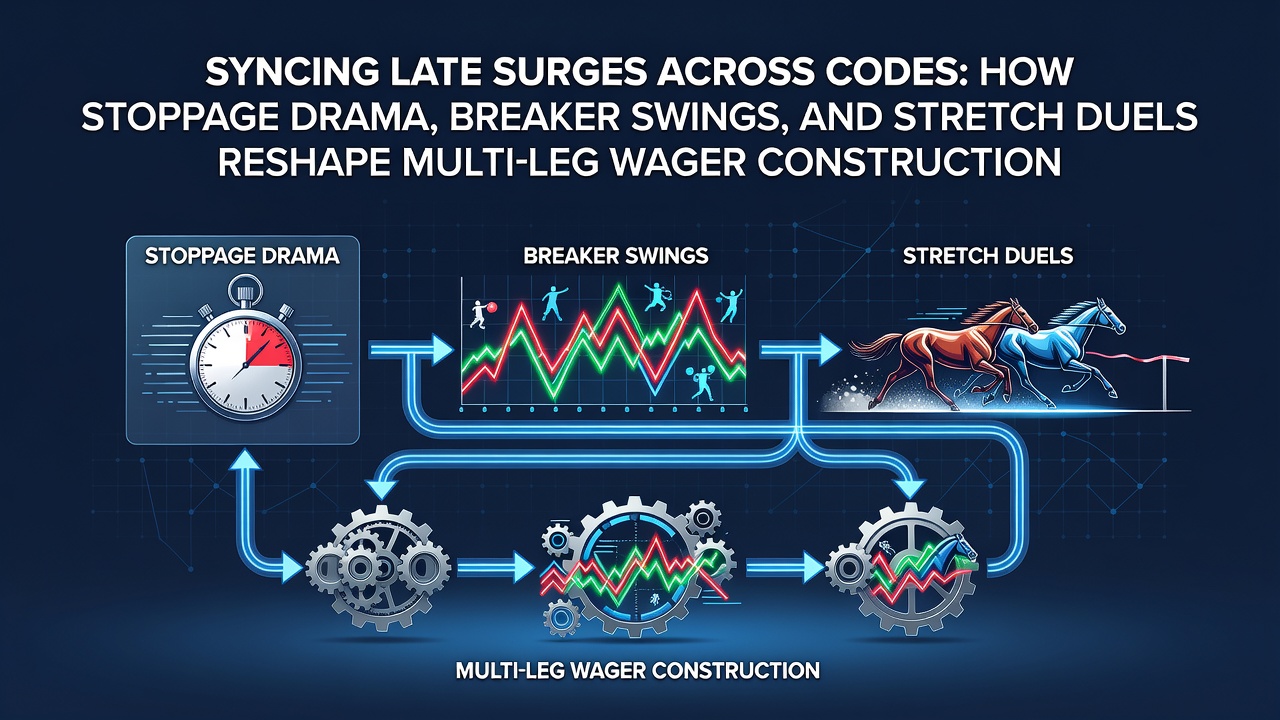
Cross-Sport Late Momentum: How Stoppage Goals, Tiebreak Reversals, and Stretch Finishes Alter Multi-Leg Accumulator Structures
Football stoppage-time goals, tennis tiebreak swings, and horse racing stretch duels create distinct patterns that reshape how multi-leg wagers get assembled across codes. Data from major betting exchanges in August 2026 showed elevated activity in accumulator markets during these late phases, with operators reporting shifts in stake distribution when matches or races reached critical closing segments.
Stoppage-Time Patterns in Football Accumulators
Football injury-time scoring events trigger immediate recalibrations in live accumulator odds because these moments often decide both match outcomes and linked bet legs. Operators track goal timing distributions from leagues such as the English Premier League and Bundesliga, noting that roughly 12 percent of all goals in the 2025-2026 season arrived after the 85th minute according to performance analytics firms. Bettors constructing multi-leg tickets frequently adjust selections when a match enters added time, switching from pre-match lines to in-play combinations that incorporate late-goal probabilities.
Research from the University of Nevada's International Gaming Institute indicates that accumulator builders incorporate stoppage-time metrics when pairing football legs with other sports, since one late goal can cascade across several linked wagers. This approach requires monitoring team-specific data on set-piece efficiency and substitute impact rather than relying solely on average goal timing.
Tiebreak Swings and Tennis Multi-Leg Construction
Tennis tiebreaks introduce rapid point clusters that alter momentum tracking in live accumulators, particularly when bettors combine tennis matches with football or racing legs. Grand Slam records from 2025 demonstrate that tiebreak win rates fluctuate based on serve-hold percentages in prior sets, with data showing a 7 percent increase in tiebreak upsets during evening sessions at major tournaments. Accumulator models now integrate these probabilities when constructing parlays that span multiple sets or matches.
Those assembling cross-code tickets often monitor real-time serve statistics and breakpoint conversion rates to decide whether to add or remove a tennis leg once a tiebreak begins. Industry reports from the American Gaming Association highlight how platforms have adjusted their in-play interfaces to display tiebreak-specific odds streams, allowing bettors to sync decisions across simultaneous events.
Stretch Duels in Horse Racing Doubles and Trebles
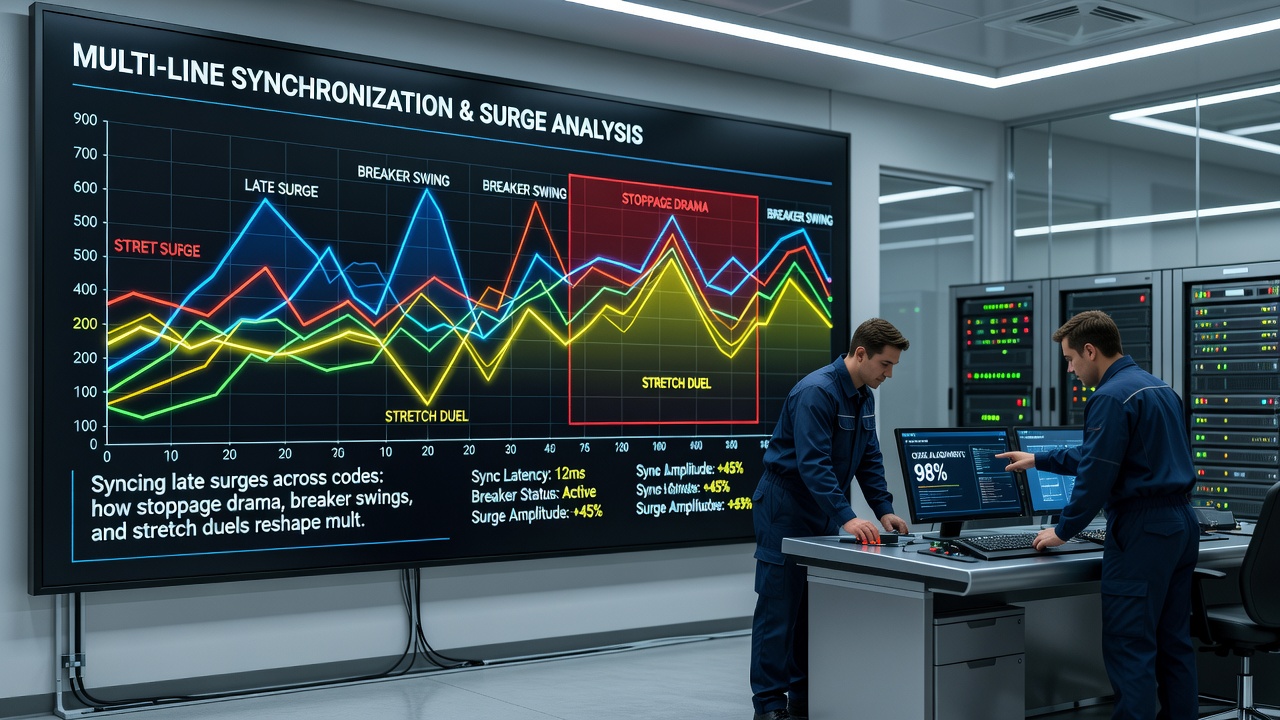
Horse racing stretch runs produce final-position changes that directly affect doubles and trebles when paired with events from other codes. Racing Australia data for the 2025-2026 season recorded that 18 percent of races featured lead changes inside the final 200 meters, prompting bettors to reassess accumulator viability once horses enter the straight. Handicappers incorporate pace maps and sectional timing to predict which runners sustain or lose momentum in these closing segments.
Multi-leg wager construction benefits when operators supply sectional data feeds that align with football and tennis closing periods, allowing bettors to time stake adjustments across codes. Observers note that successful builders maintain separate probability matrices for each sport's late phase rather than applying uniform late-surge assumptions.
Integrating Late-Phase Data Across Codes
Platforms have expanded live dashboards in August 2026 to display synchronized metrics for stoppage goals, tiebreak points, and stretch positions simultaneously. This development enables bettors to monitor how one code's late surge influences the overall accumulator payout structure when legs from different sports run concurrently. Regulatory filings from the Nevada Gaming Control Board document increased scrutiny on how operators present these real-time adjustments to ensure transparent odds calculation.
Studies from academic centers such as the Gambling Research Exchange Ontario emphasize the value of maintaining separate volatility estimates for each late-phase type. Football stoppage variance differs from tennis tiebreak clustering and racing stretch volatility, so accumulator models treat them as distinct inputs rather than interchangeable factors.
Conclusion
Late surges across football, tennis, and horse racing continue to influence accumulator construction through measurable timing and probability shifts. Operators and bettors alike rely on code-specific datasets to adjust multi-leg structures as events reach their closing stages, with August 2026 platforms reflecting expanded integration of these metrics. The patterns remain consistent with historical distributions while adapting to new data streams that support cross-code synchronization.