Timing Shifts Across Sports Betting: Photo Finishes, Injury Time Goals, and Tiebreak Dynamics in Accumulators
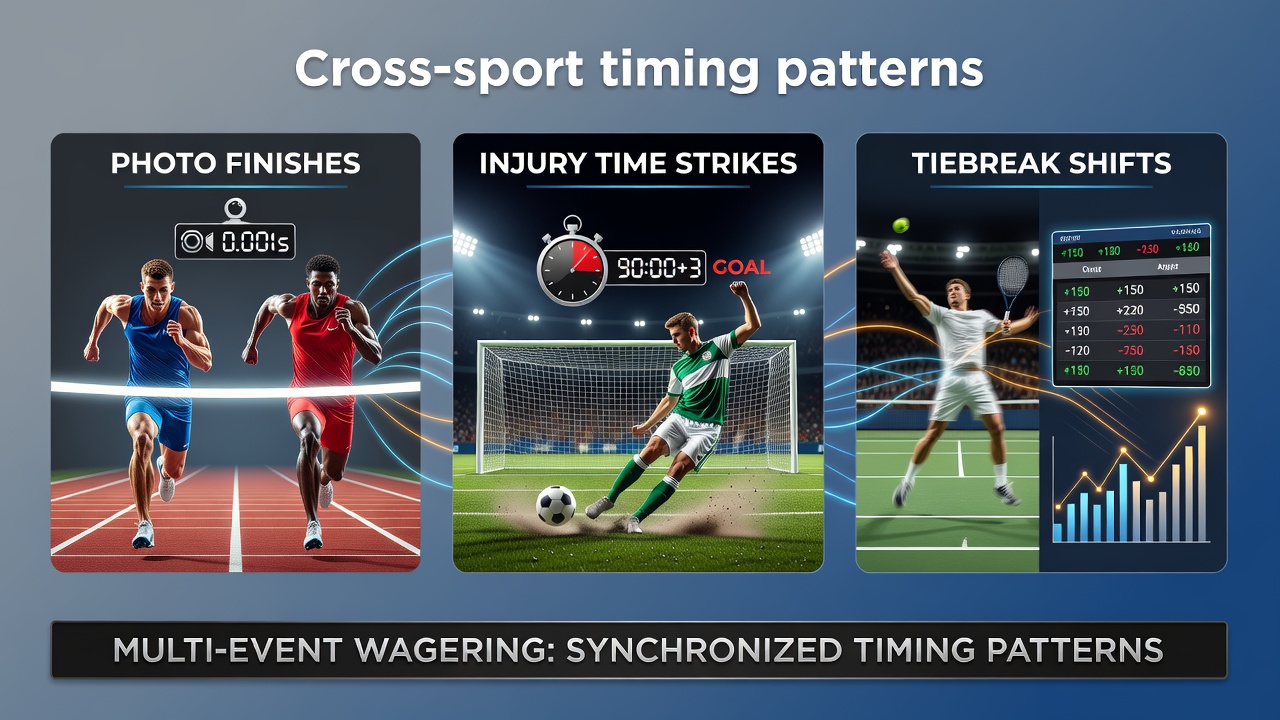
Timing patterns in multi-event wagering draw attention because they concentrate outcomes into narrow windows that shift accumulator results, adn researchers have documented how these moments cluster across horse racing, football, and tennis. Data from major events in August 2026 indicates that photo finishes, added-time strikes, and tiebreak swings occur with enough regularity to influence payout structures in combined bets, while market operators adjust odds in real time to reflect those probabilities.
Photo Finishes in Horse Racing and Their Carryover Effects
Stewards review photo finishes at tracks worldwide, and the process often extends several minutes before officials confirm the result, which creates a brief period where accumulator bettors wait on the final leg of their tickets. Studies from the Australian Institute of Sport show that close finishes happen in roughly 12 percent of races over 1400 meters, and those margins directly affect whether a selection is classified as a winner or placed. Bettors who combine horse racing with other sports therefore monitor live feeds closely, because a single reclassification can alter the entire parlay status, and operators have begun displaying provisional results alongside final confirmation timers to manage expectations during that interval.
Injury Time Strikes in Football and Accumulator Volatility
Football matches produce a measurable spike in goals during the final five minutes plus stoppage time, and league data compiled by UEFA across the 2025-2026 season records that approximately 8.7 percent of all goals arrived in that window. When bettors include football selections in multi-sport accumulators, those late goals frequently decide whether the ticket survives or expires, and sharp traders track average added time per league to calibrate their risk models. In August 2026 several European competitions reported extended stoppage periods due to VAR interventions, which lengthened the window for decisive strikes and prompted some platforms to offer micro-markets on goals after the 85th minute.
Tiebreak Shifts in Tennis and Momentum Reversal Data
Tiebreaks compress high-stakes points into sequences that last between seven and fifteen minutes on average, and analysts at the International Tennis Federation note that players who win the first point in a tiebreak convert the set roughly 62 percent of the time across Grand Slam events. When tennis appears as the middle or closing leg of an accumulator that already includes horse racing or football, the compressed scoring creates abrupt swings in live odds, and those swings often coincide with the moment other events reach their own decisive phases. Observers note that bettors who follow serve-hold percentages and return-point win rates can anticipate when a tiebreak is more likely to flip, thereby adjusting stakes before the set reaches that stage.
Intersections in Multi-Event Wagering
Combined tickets that span horse racing, football, and tennis expose punters to overlapping timing clusters, and industry reports from the European Gaming and Betting Association indicate that such cross-sport accumulators grew 14 percent year-on-year through mid-2026. A photo finish at one venue may resolve seconds before a football match enters added time, while a tennis tiebreak begins on a parallel court, forcing bettors to monitor multiple data streams simultaneously. Platforms have responded by integrating synchronized countdown timers and provisional result indicators, which reduce the cognitive load during those overlapping windows and allow more precise hedging when one selection remains unresolved.
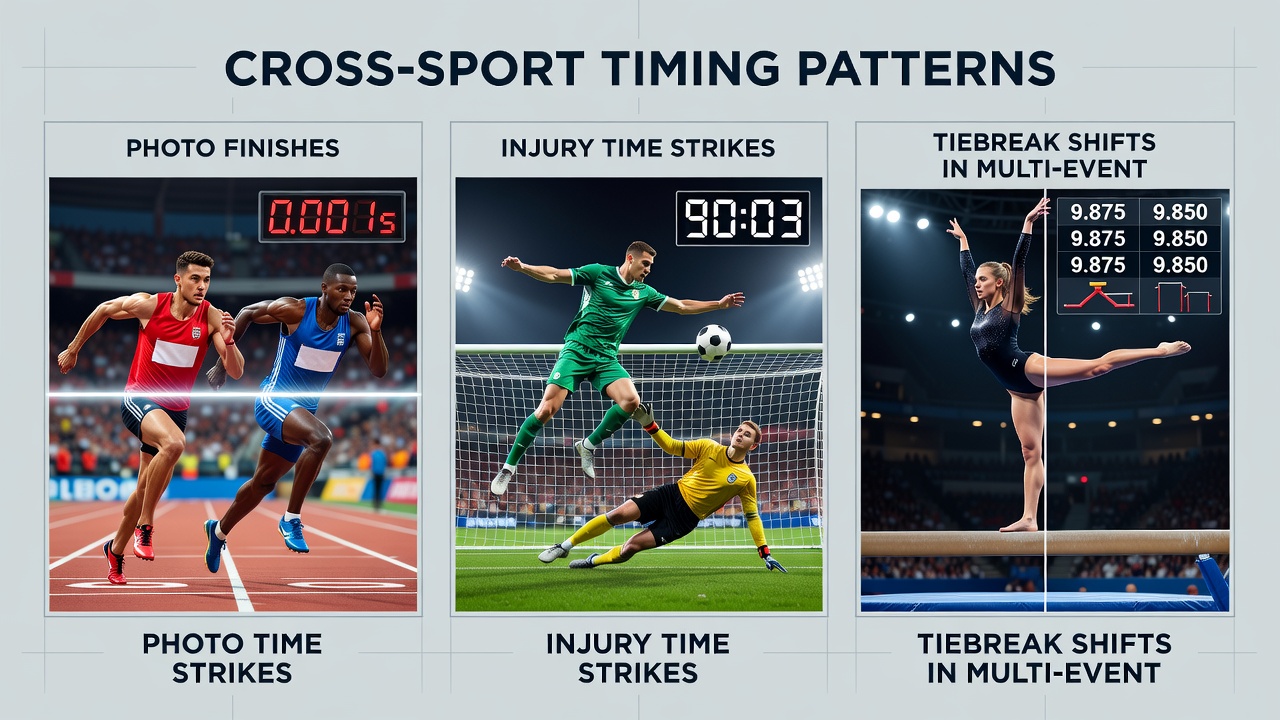
Research published by the University of Nevada Gaming Research Center highlights that variance in payout frequency rises when accumulators incorporate multiple timing-sensitive sports, because the probability of at least one late resolution increases with each added leg. Traders therefore recalibrate margin requirements during August 2026 tournament clusters, and several operators introduced dedicated timing-pattern dashboards that display historical resolution times for photo finishes, injury-time goals, and tiebreaks side by side. Those tools help users visualize how often their selections reach the critical window together rather than sequentially.
Market Adjustments and Data Integration
Bookmakers have begun embedding real-time feeds from multiple governing bodies into single interfaces, and this integration allows odds to update within seconds of a photo-finish verdict or an added-time goal. Canadian regulatory filings from 2026 show that operators who adopted cross-sport timing APIs recorded a 9 percent reduction in customer disputes related to late resolutions, because the systems now publish both the event clock and the expected confirmation delay. Bettors who track these feeds can place or adjust hedge bets before the final confirmation arrives, and the practice has become more common in markets where accumulators combine events from different continents and time zones.
Conclusion
Cross-sport timing patterns continue to shape accumulator outcomes because photo finishes, injury-time goals, and tiebreak sequences concentrate decisive moments into brief overlapping windows, and data from August 2026 events confirms that these clusters affect payout rates across combined bets. Operators respond with synchronized dashboards and provisional result displays, while researchers track conversion statistics that help model the added variance introduced when multiple sports reach their critical phases simultaneously. The patterns remain measurable through league and federation records, and market participants incorporate those measurements into both pricing and risk-management processes.